
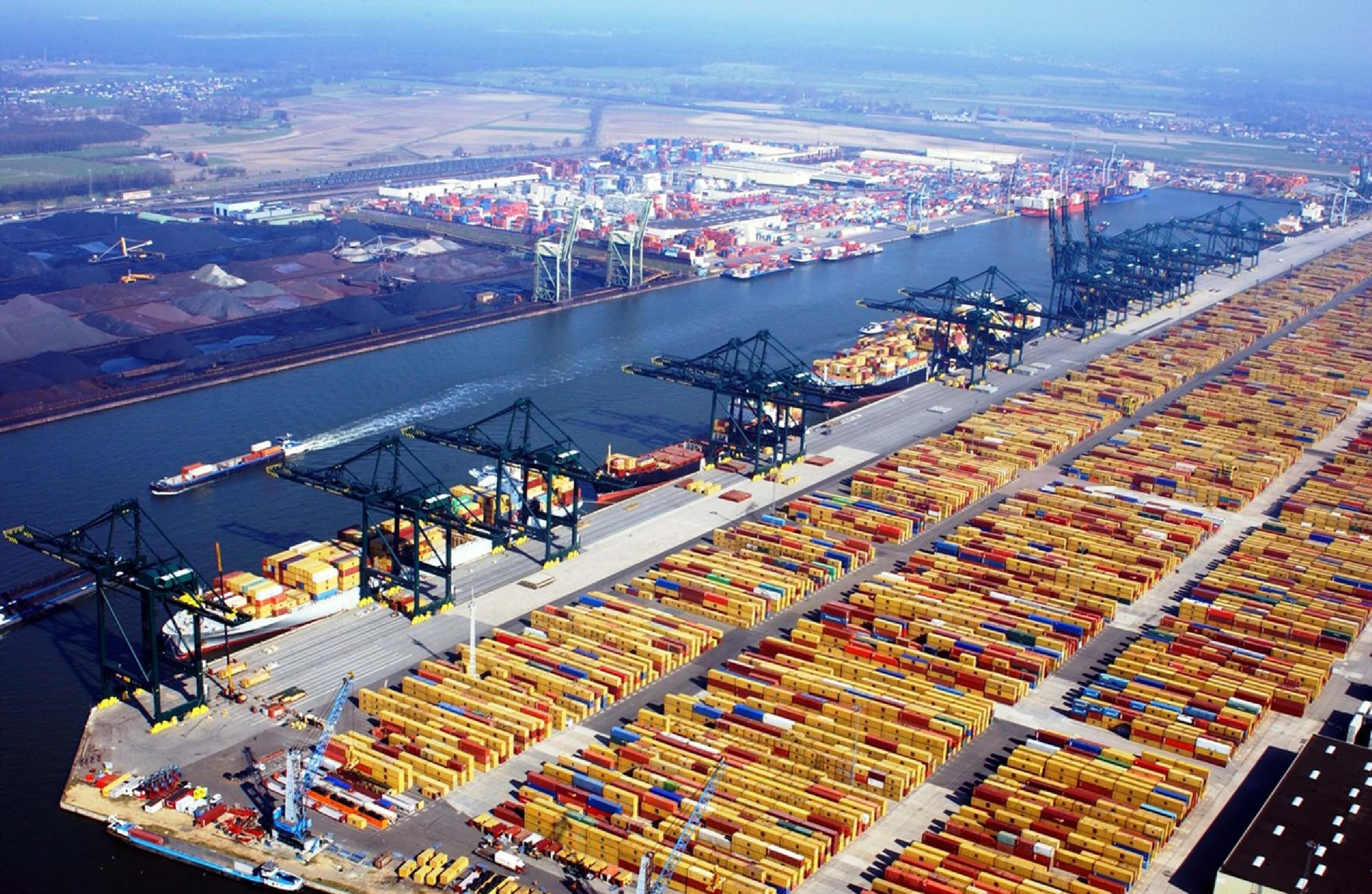
Ports are critical hubs in the global fossil fuel supply chain, providing essential infrastructure that keeps the fossil industry running. The Port of Rotterdam is by far the largest port and industrial complex in Europe, and thus plays a crucial role in this system.
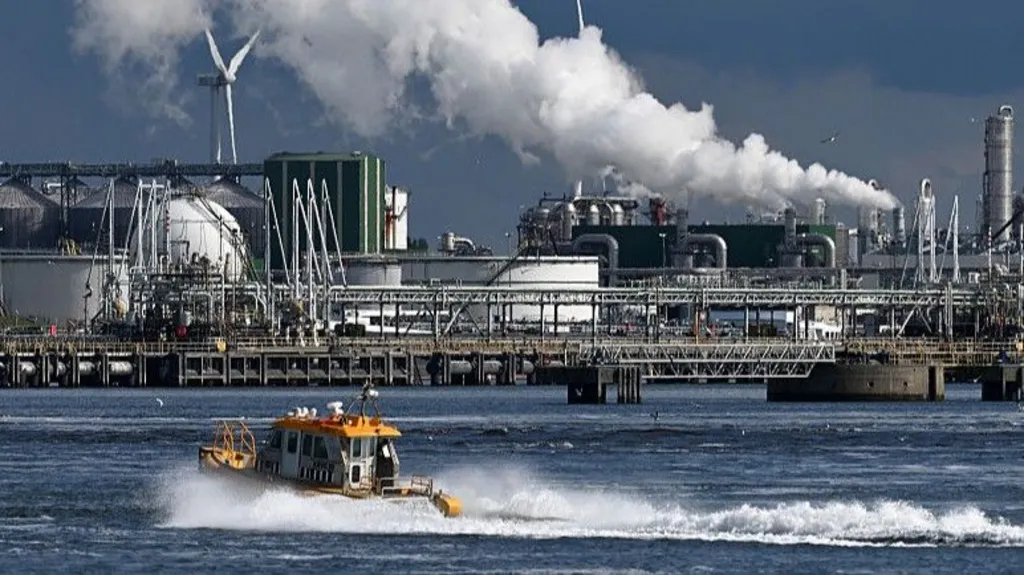
The Port is managed by the Port of Rotterdam Authority, a state-owned enterprise jointly owned by the Dutch state and the municipality of Rotterdam. Through its operations, the Port of Rotterdam Authority facilitates the release of enormous quantities of greenhouse gases. This includes direct emissions within the Port area, as well as indirect emissions released primarily outside the Port's boundaries. Despite the immense climate impact this causes, there is currently no plan for a fossil phase-out.
Our concerns
Largest
port and industrial complex in Europe
604 Mt CO2eq
total GHG emissions in 2023
No
fossil phase-out plan

Key documents
Largest Port and industrial complex in Europe
The Port of Rotterdam plays a pivotal role in the fossil industry. Beyond hosting oil refineries, petrochemical factories and power stations, it is directly connected to fossil hubs in Antwerp and the Rhine-Ruhr area via an extensive pipeline network. Furthermore, Rotterdam is the largest bunker, transit and storage port for fossil raw materials in Europe.
Enormous quantities of greenhouse gases
The Port's climate footprint extends far beyond its physical borders. According to research by CE Delft, total greenhouse gas emissions linked to activities in the Port of Rotterdam amounted to 604 Mt CO2eq in 2023.
No fossil phase-out plan
Despite clear scientific consensus from the IPCC on the urgent need to reduce our dependence on fossil raw materials, fossil activities in the Port of Rotterdam continue unabated. For example, recent years have seen an explicit focus on the growth of liquefied natural gas (LNG), backed by substantial investments in new infrastructure. Also, the Port Authority continues to facilitate the transshipment of coal, even though it is clear that coal activities must be phased out as soon as possible.
"Phasing out fossil fuel activities requires a committed effort from all parties involved, including systemic players like the Port of Rotterdam Authority that facilitate these activities. Given the scale of the Port's fossil-based industry, a clear phase-out plan is essential to combat the climate crisis."

Maikel van Wissen, Director
What do we want to achieve?
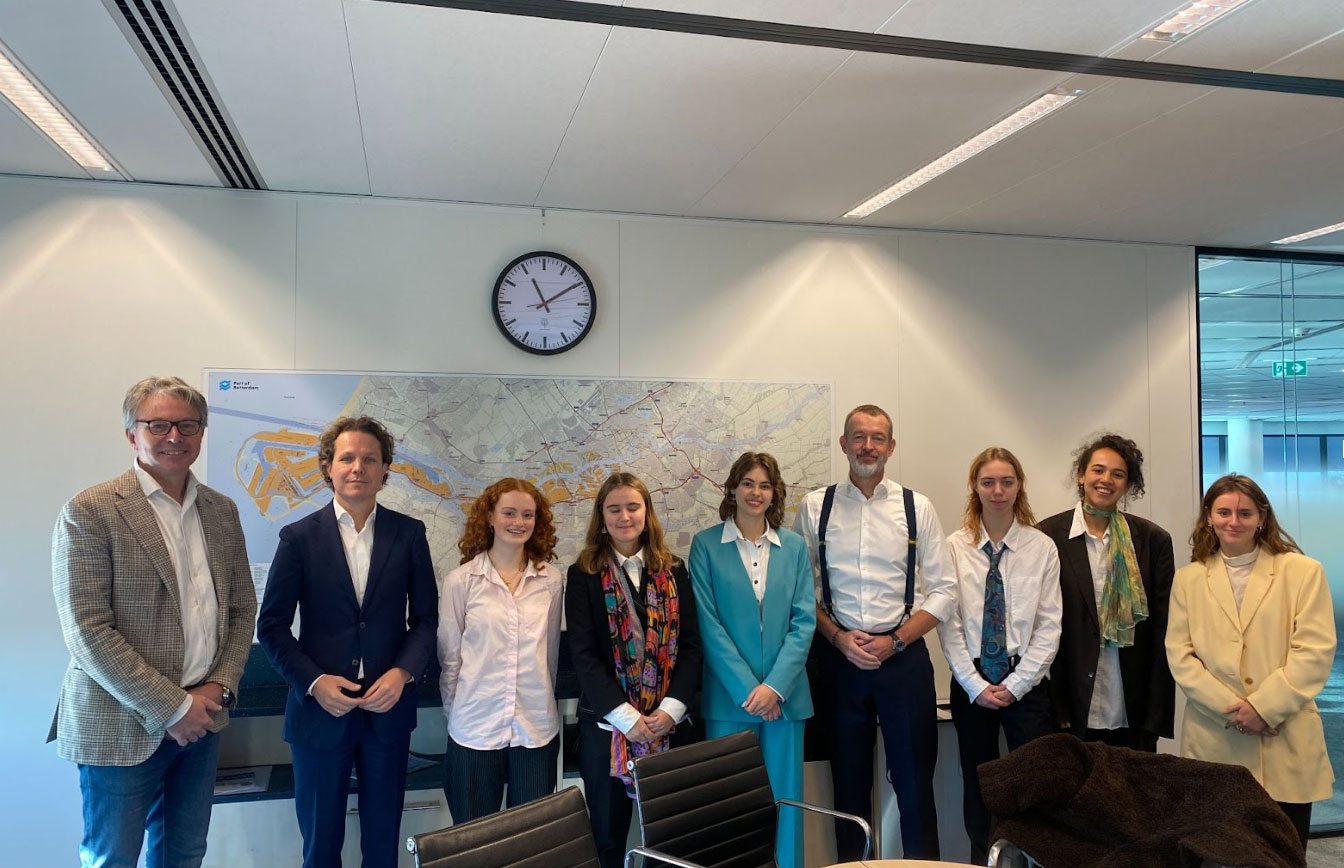
A clear roadmap for a fossil-free port. In a letter co-signed by NGOs, workers' unions and youth groups, we urged the CEO of the Port of Rotterdam to establish a fossil phase-out plan. We were invited to discuss our letter with the CEO.
Goals
01
Accelerating the transition
Advancing the phase-out of fossil activities and the development of new, sustainable energy systems in the Port of Rotterdam and elsewhere.
02
Ensuring accountability of state-owned enterprises
Securing acknowledgment of the legal responsibility that state-owned enterprises have in achieving the 1.5°C goal of the Paris Agreement.
03
Raising awareness
Driving the conversation among policymakers and the wider public regarding the Port's systemic role in the fossil industry and the immense climate impact of its operations.
Why the Port's current efforts are not enough
On paper, the Port of Rotterdam Authority has many plans to reduce greenhouse gas emissions. For example, they have committed to a 55% reduction in greenhouse gases by 2030 and a net-zero port by 2050. The Port Authority reports on the progress of a large number of projects that should contribute to this, such as Porthos CCS (underground CO2 storage) and Holland Hydrogen I (Europe's largest hydrogen factory).
However, these plans present an incomplete picture. The Port Authority's plans focus almost exclusively on reducing direct emissions within the port area and are also largely in the service of the continuation of fossil activities. The Port Authority fails to address most of the indirect emissions linked to activities in the Port, leaving the vast majority of its climate footprint virtually untouched. Moreover, the total emissions related to the port have not decreased over the past 15 years.
"We believe that state-owned enterprises have a vital role to play to counter climate change. The Port of Rotterdam Authority could play a pivotal role in the transition away from fossil activities and the development of new energy systems. That's why we are calling upon the Port of Rotterdam Authority to come up with a concrete action plan to phase out fossil activities, in line with the latest scientific insights into the Port’s contribution to the climate crisis."

Rebecca van der Weerdt, Former Lawyer at Advocates for the Future



As a non-profit organisation, we rely on your support. Your support will enable us to undertake bold and ambitious projects that shed light on the most pressing issues of our time and bring about meaningful change.